
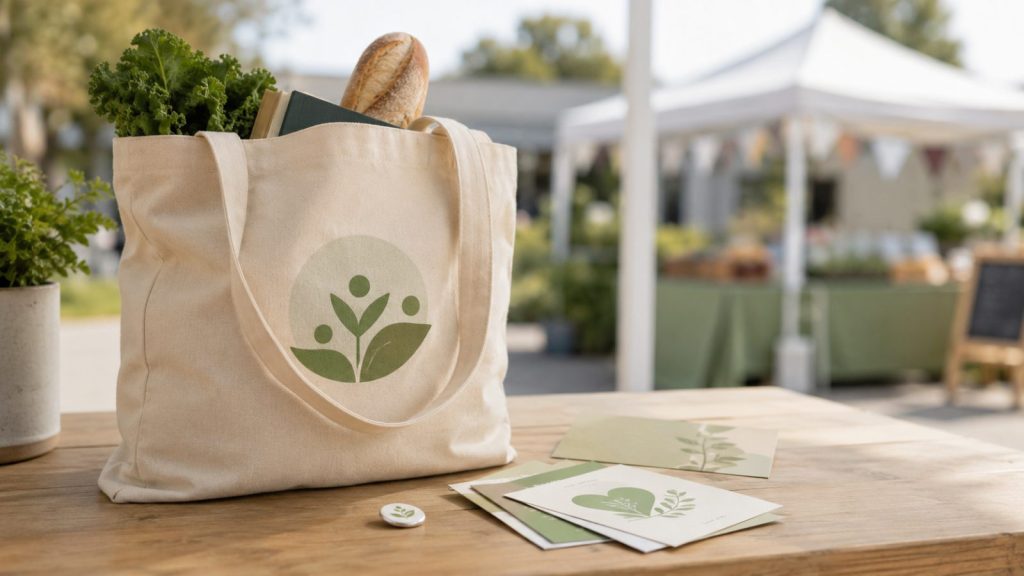
Community campaigns often take weeks or months to prepare, but the event itself may only last a few hours. A charity fair, school fundraiser, neighborhood clean-up, local awareness walk, or cultural celebration can create strong energy on the day, yet many organizers struggle with the same problem afterward: how to keep that visibility alive once the tents come down and the crowd goes home.
The most successful community campaigns are not remembered only because of speeches, banners, or social media posts. They are remembered because people leave with something useful, emotional, or practical that connects them back to the cause. When the campaign continues to appear in everyday life, it becomes more than a one-day activity.
Make the Message Easy to Carry Forward
A community campaign usually has a simple goal: raise awareness, encourage action, support a cause, or bring people together. But after the event, that message can disappear quickly unless participants have a reason to keep engaging with it.
This is why physical reminders still matter. A small item that people can use after the campaign can keep the message visible in a natural way. It does not need to be expensive or overly branded. In fact, the most effective reminders are often practical enough to become part of daily routines.
Many organizers choose Custom Tote Bags because they are easy to distribute at events and useful afterward. Participants may use them for groceries, work items, books, or errands, which allows the campaign message to travel beyond the original location.
Focus on Usefulness Instead of Just Visibility
Not every promotional item creates lasting impact. Items that are too small, too fragile, or too event-specific often end up forgotten. A useful product, however, has a much better chance of staying in circulation.
Community campaigns should ask a simple question before choosing any giveaway: will people actually use this after the event? If the answer is yes, the item can continue working long after the campaign ends.
This is where Promotional Tote Bags can support local awareness efforts. They offer enough space for printed messages, sponsor logos, or campaign artwork while still being practical for everyday use.
Connect the Item to the Campaign Story
A reusable item becomes more meaningful when it connects to the campaign’s purpose. For example, an environmental clean-up campaign may use bags to support low-waste habits. A literacy fundraiser may distribute bags that carry books. A food pantry drive may use them for grocery collections. A local arts program may include campaign artwork that reflects the community.
This connection matters because it makes the item feel less like random merchandise and more like part of the story. People are more likely to keep something when it reminds them of an experience they cared about.
The design should be clear and simple. A strong campaign name, small message, date, or illustration can be more effective than a crowded layout. If the item feels wearable, usable, and visually clean, people are more likely to keep using it.
Keep Engagement Going After the Event
Physical visibility should work together with digital follow-up. After the event, organizers can share photos, thank participants, post results, and invite people into the next step. The item people took home becomes a reminder to reconnect with those updates.
For example, a campaign can continue with:
- a thank-you email
- a social media recap
- photos of participants using the campaign item
- a follow-up volunteer opportunity
- a small survey or impact report
The goal is to turn one event into an ongoing relationship. When people feel that their participation mattered, they are more likely to support future campaigns.
Involve Local Partners
Community campaigns often rely on local businesses, schools, nonprofits, clubs, or sponsors. Giving partners visibility through useful campaign materials can make sponsorship feel more valuable. Instead of placing logos only on posters that disappear after the event, partner names can appear on items that remain in use.
This helps strengthen future collaboration. Sponsors are more likely to return when they see that their support created lasting public exposure.
Conclusion
A community campaign does not have to end when the event day is over. With thoughtful planning, practical take-home items, clear storytelling, and follow-up communication, the message can continue moving through daily life.
The most memorable campaigns give people something worth keeping—not just as a product, but as a reminder of participation, purpose, and local connection.