
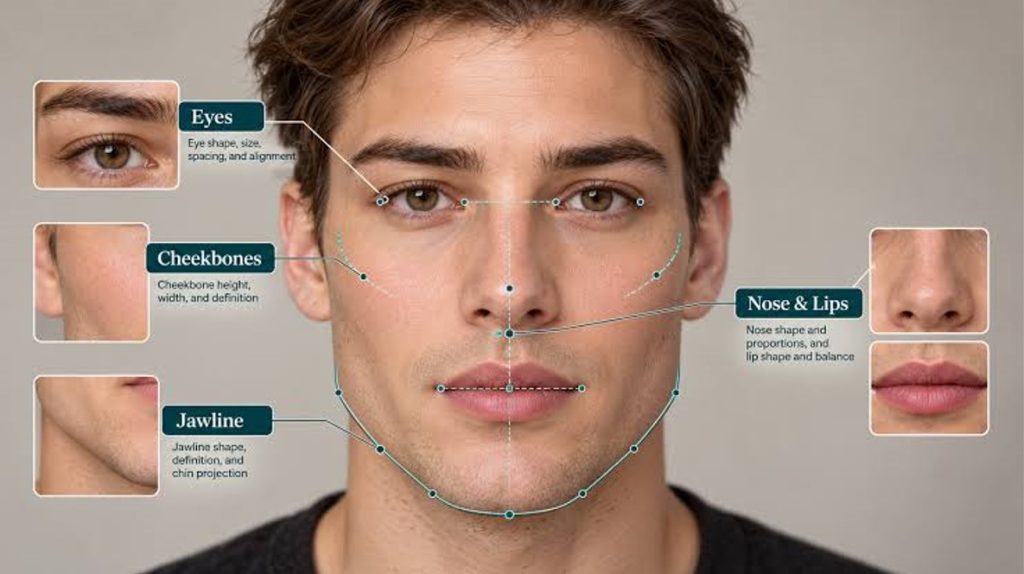
The PSL scale is an informal facial attractiveness rating system that has gained attention through looksmaxxing communities, TikTok, and Reddit. It assigns numerical scores to facial appearance, usually ranging from 1 to 8, based on perceived facial proportions, symmetry, and harmony.
If you’ve ever wondered where you fall on the PSL scale, AI facial analysis tools can help you explore visible facial characteristics. However, understanding what these ratings mean is important before allowing a number to influence your confidence.
Here’s how the PSL rating system works, what AI can assess from photographs, and why appearance scores should be approached with perspective.
What Is the PSL Scale?
The PSL scale originated in online appearance-rating communities associated with forums such as PUAHate, SlutHate, and Lookism.
Unlike conventional attractiveness ratings that often use a 1-to-10 scale, PSL ratings commonly range from 1 to 8, although variations exist.
The system generally emphasizes:
- Facial symmetry: Similarities between corresponding facial features.
- Facial harmony: How different features appear proportionally balanced.
- Jawline definition: Visible contours and angles of the lower face.
- Eye area: Eye shape, spacing, and positioning.
- Facial proportions: Relationships between facial width, length, and individual features.
- Skin appearance: Visible texture and complexion.
Although these characteristics can be examined, the PSL scale is not scientifically validated. No universally accepted formula converts facial measurements into an objective attractiveness score.
A numerical rating may appear precise even when its underlying criteria reflect subjective preferences.
How Does the PSL Rating Scale Work?
The PSL scale organizes perceived attractiveness into numerical categories.
Common interpretations include:
- PSL 1–2: Very low ratings within the community’s subjective framework.
- PSL 3: Below the community’s perceived average.
- PSL 4–5: Generally considered average or moderately attractive.
- PSL 6: Typically described as above average.
- PSL 7–8: Highest ratings within the informal system.
These descriptions represent online conventions rather than scientifically established population rankings.
A rating of 7 does not establish that someone is more attractive than a particular percentage of people.
Likewise, a rating of 4 does not determine someone’s real-world attractiveness.
Different communities and AI systems may use different criteria, making comparisons unreliable.
Facial Proportions and Harmony
Facial harmony describes how features such as the eyes, nose, cheekbones, forehead, and jaw appear together.
Some rating systems reference facial thirds, facial fifths, and width-to-length ratios.
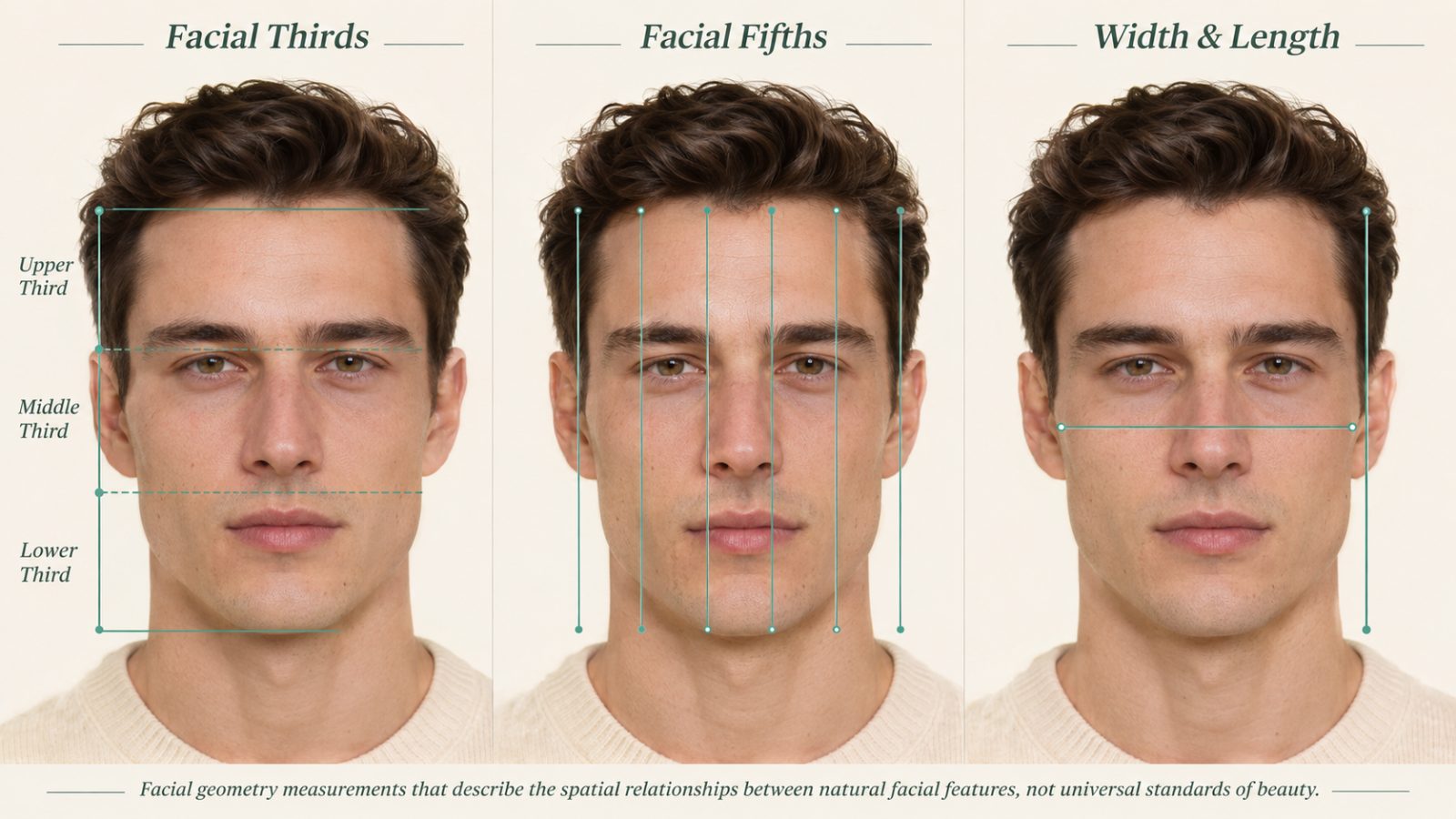
However, these measurements describe proportions rather than determine beauty.
For readers interested in understanding these characteristics, Facefy’s facial proportions analysis offers a way to explore facial measurements separately from overall attractiveness ratings.
Can AI Calculate Your PSL Score From One Photo?
AI appearance analysis can examine visible facial characteristics and generate estimated ratings based on particular evaluation criteria.
A typical assessment identifies facial features, examines their spatial relationships, and produces an appearance-based result.
For those curious about their rating, Facefy’s PSL scale tool provides a relevant starting point for exploring PSL-style facial assessments.
Rather than treating the result as a definitive beauty ranking, users can consider it alongside information about facial proportions and natural characteristics.
AI-generated scores remain estimates, and different photographs or evaluation methods may produce different results.
Why Photo Quality Matters
A photograph captures only one representation of someone’s appearance.
Several factors influence AI-generated ratings:
- Lighting: Shadows change apparent cheekbone and jawline definition.
- Camera angle: Positioning affects facial length and width.
- Expression: Smiling or squinting changes visible proportions.
- Lens distortion: Close-up photographs exaggerate nearby features.
- Image resolution: Blurry photographs conceal facial details.
- Filters: Digital editing changes the features being analyzed.
For more consistent comparisons, use clear photographs taken at eye level with even lighting.
One Photo vs. Multiple Photos: Which Is More Reliable?
One photograph may generate an initial estimate, but it cannot fully represent someone’s appearance.
Comparing multiple photographs reveals how sensitive an assessment is to lighting, expression, and positioning.
For example, one image might receive 4.5 while another receives 5.0.
That difference does not necessarily indicate a meaningful change in attractiveness.
It may simply reflect photographic conditions or inconsistencies in the evaluation method.
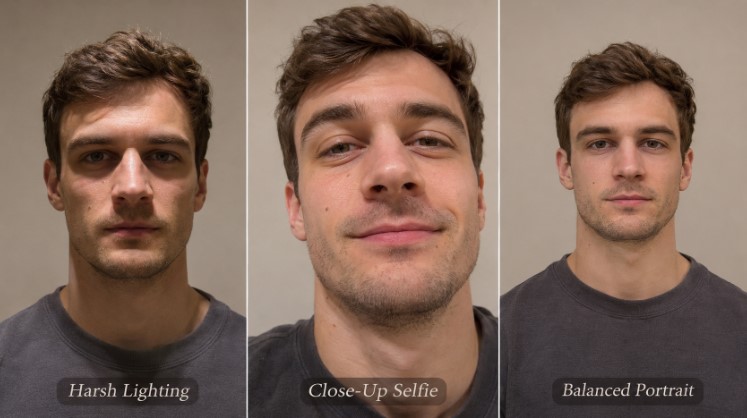
Using similar lighting and camera distances can make comparisons more consistent, although consistent results do not establish scientific accuracy.
How Facefy Helps You Explore PSL-Style Face Ratings
Facefy offers AI-powered appearance analysis for people interested in facial characteristics, proportions, and attractiveness-related assessments.
Instead of focusing exclusively on a numerical rating, users can examine individual features that contribute to their appearance.
Exploring Facial Structure
Facial assessments become more informative when you examine specific characteristics.
Relevant areas include facial symmetry, jawline contours, eye shape, and relationships between different features.
These observations can explain why photographs create different visual impressions.
Understanding the Limitations of AI Ratings
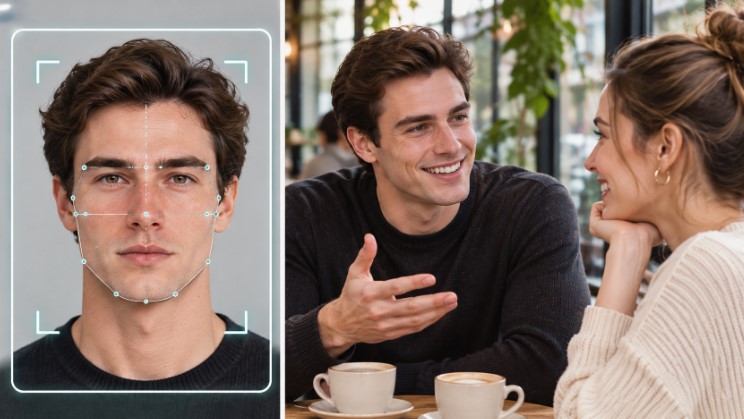
AI assessments cannot capture personality, movement, voice, expressions during conversations, or interpersonal chemistry.
Likewise, photographic conditions and evaluation criteria can influence results.
The most useful approach is treating analysis as information about visible characteristics rather than personal value.
How to Interpret Your PSL Rating Without Overthinking It
Receiving a numerical rating can make small differences appear more significant than they are.
A score of 5.2 compared with 5.4 should not be interpreted as evidence of a meaningful attractiveness difference.
Look Beyond the Overall Score
A single number cannot explain every aspect of facial appearance.
For a broader understanding, Facefy provides AI-powered facial analysis tools that help users explore proportions, symmetry, and other visible characteristics.
This approach encourages curiosity about individual features rather than concentrating entirely on reaching a particular numerical rating.
Natural asymmetry, for example, is common and does not automatically make someone less attractive.
Facefy’s facial symmetry checker also offers a way to examine visible differences between the two sides of your face.
Consider Cultural and Personal Preferences
Attractiveness is influenced by cultural expectations, individual preferences, social context, and changing beauty trends.
Features valued in one community may be perceived differently elsewhere.
PSL rankings should therefore never be treated as universal standards.
Use Results for Practical Exploration
If your goal is improving photographs, experimenting with lighting, camera distance, and expression may be more useful than repeatedly checking ratings.
Hairstyles, grooming, and personal styling can also influence how facial proportions appear.
These decisions should reflect your preferences rather than pressure to achieve a particular score.
Common Misconceptions About the PSL Scale
Several misconceptions make PSL discussions confusing.
Higher ratings indicate objective attractiveness. No validated universal standard establishes this relationship.
Facial symmetry determines beauty. Symmetry is only one characteristic influencing appearance perception.
AI ratings are completely objective. Computational systems can reflect subjective criteria and biases.
Your rating should remain consistent. Lighting, perspective, expression, and model differences influence results.
PSL scores predict romantic success. Still-image assessments cannot reliably predict attraction, relationships, or social outcomes.
Frequently Asked Questions About PSL Ratings
What does PSL stand for?
PSL refers to PUAHate, SlutHate, and Lookism, online forums associated with informal facial attractiveness rating systems.
What is considered an average PSL score?
Online discussions commonly describe ratings around 4 to 5 as average, although these categories lack standardized population evidence.
Can I find my PSL rating using one selfie?
AI tools can generate estimates from photographs, but results depend on image quality and evaluation criteria.
Is the PSL scale scientifically accurate?
No. The PSL scale is not a scientifically validated measurement of attractiveness.
Can my PSL rating change?
AI-generated ratings may change with photographs, lighting, expressions, grooming, and evaluation methods.
Does a high PSL score mean perfect facial proportions?
No. There is no universally accepted definition of perfect facial proportions.
Final Thoughts on the PSL Scale
The PSL scale offers a simplified way to discuss facial appearance, but its numerical categories have important limitations.
AI analysis can help you explore facial proportions, symmetry, and visible structural characteristics. However, it cannot objectively measure beauty or predict how everyone will perceive you.
If you’re curious about your PSL rating, approach it as an informal estimate rather than a judgment of your appearance.
Understanding your individual features and experimenting with personal styling can be more meaningful than concentrating on a single number.