
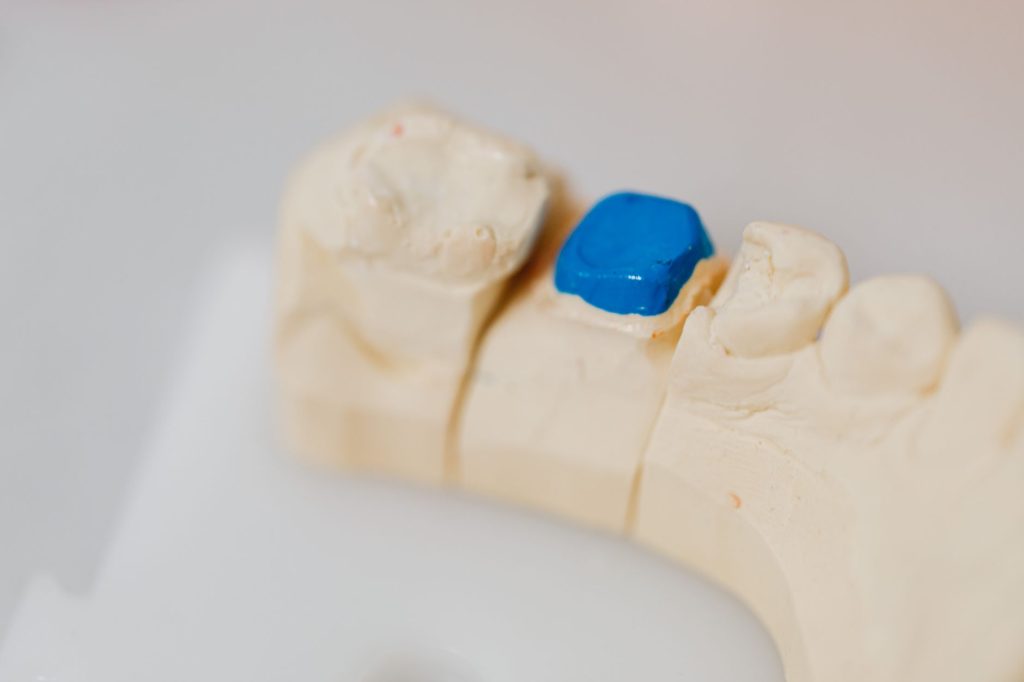
A beautiful smile is often admired for what can be seen, but its true strength comes from what remains hidden. Beneath the natural appearance of healthy teeth lies a complex structure of bone, soft tissue, connective fibres and carefully balanced forces. Restorative dentistry has always sought to preserve or recreate this delicate relationship. Today, however, digital technology is giving dental professionals new ways to understand, plan and reconstruct it.
The emergence of three-dimensional printing, digital scanning and computer-assisted treatment planning is changing the landscape of modern implant dentistry. Procedures that once depended heavily on traditional impressions, manual measurements and laboratory fabrication are increasingly supported by connected digital workflows. These developments are helping clinicians approach tooth replacement with greater anatomical awareness, individualisation and efficiency.
At the centre of this transformation is a simple but powerful idea: replacing a missing tooth should involve more than filling an empty space. It should restore the function, harmony and natural character of the entire smile.
The Digital Evolution of Dental Implant Planning
Traditional implant treatment requires careful assessment of the jawbone, surrounding teeth, gum condition and the patient’s overall oral health. Even a single missing tooth can present a complicated restorative challenge, particularly when bone loss or anatomical limitations are involved.
Digital dentistry introduces another dimension to this process.
Intraoral scanners capture detailed three-dimensional representations of the teeth and surrounding oral structures without relying on conventional impression materials. These digital models can be combined with cone beam computed tomography (CBCT) images, which provide valuable information about the underlying bone and important anatomical landmarks.
Using specialised software, dental professionals can examine the available space, evaluate potential implant positions and plan how the final restoration will fit within the patient’s bite.
This approach allows clinicians to consider the desired outcome before surgery begins. Rather than concentrating exclusively on where an implant can physically be placed, they can work backwards from the intended appearance and function of the replacement tooth.
The result is a more integrated treatment-planning process in which surgical and restorative considerations work together.
How 3D Printing Is Changing Implant Dentistry
Perhaps one of the most fascinating developments in restorative dentistry is the growing use of 3D printing.
Unlike conventional manufacturing methods that often involve cutting or shaping materials, additive manufacturing creates objects layer by layer using digital designs. In dentistry, this technology can be used to produce surgical guides, dental models, temporary restorations and certain customised components.
For implant procedures, 3D-printed surgical guides can help transfer a digitally planned implant position into the clinical environment. These guides are designed to fit specific areas of the patient’s mouth and direct surgical instruments according to the treatment plan.
Digital laboratory workflows also allow dental technicians to design restorations with careful attention to tooth shape, proportions and the relationship between neighbouring teeth.
For patients, this integration may support more coordinated treatment and reduce some of the manual stages associated with traditional fabrication.
However, 3D printing does not automatically make every procedure faster or more accurate. Material selection, manufacturing quality, software calibration and clinical verification remain essential. The dentist must also determine whether a particular printed component is suitable for its intended purpose.
Technology is most valuable when it strengthens clinical judgement rather than attempting to replace it.
Are Dental Implants Painful in the Post-Op Days?
One of the most common concerns patients have before implant surgery involves recovery. A natural question is: are dental implants painful in the post op days?
Dental implant surgery is generally performed under local anaesthesia, meaning patients should not experience pain during the procedure itself, although they may notice pressure or movement. Sedation may also be available for suitable patients depending on their circumstances and the treatment setting.
After the anaesthetic wears off, some discomfort is normal. Patients may experience tenderness, swelling, minor bruising or sensitivity around the surgical site. These symptoms commonly become more noticeable during the first few days before gradually improving.
The level of discomfort varies depending on the number of implants placed, the complexity of the procedure and whether additional treatments, such as bone grafting, are required.
Dental professionals may recommend appropriate pain relief, cold compresses and temporary dietary adjustments to support recovery. Patients should follow their individual post-operative instructions and avoid disturbing the surgical area while it heals.
It is also important to recognise warning signs. Increasing pain, persistent bleeding, fever, significant swelling or discharge should be discussed promptly with the treating dentist.
Digital planning and guided surgery may help clinicians organise implant placement more precisely, but they do not eliminate post-operative discomfort or guarantee a complication-free recovery.
Understanding what to expect can make the experience less intimidating and help patients approach treatment with realistic expectations.
The Invisible Architecture of a Confident Smile
The success of a dental implant is not measured simply by whether the replacement tooth looks natural. Its long-term performance depends on how well it interacts with the surrounding oral environment.
The position of the implant influences the shape of the final crown, the appearance of the gumline and the way chewing forces are distributed. The surrounding bone and soft tissues must also remain healthy to support the restoration over time.
This is where digital planning becomes particularly meaningful. By examining the relationship between bone anatomy, implant positioning and the intended restoration, clinicians can make more informed decisions about the entire treatment.
The most successful outcomes often reflect an invisible architecture of a confident smile: a carefully coordinated foundation that supports natural-looking teeth without drawing attention to the technology or engineering behind them.
For patients replacing front teeth, aesthetic considerations may be especially important. Gum contours, tooth proportions, colour and the transition between the restoration and natural teeth all contribute to the final appearance.
Digital design can help visualise these relationships, although the final result still depends on biological healing, material characteristics and the skill of the dental team.
Personalised Restorations and Better Patient Communication
Another advantage of digital workflows is the opportunity to make treatment planning more understandable.
Traditional dental impressions and technical explanations can sometimes be difficult for patients to visualise. Digital models, 3D images and treatment simulations provide alternative ways to explain the proposed procedure.
Patients may be able to see the available bone, understand where an implant is intended to sit and explore how the final restoration will relate to neighbouring teeth.
This transparency encourages more informed conversations about treatment options, costs, potential limitations and expected outcomes.
It also reinforces the importance of individualised care. A patient requiring one implant will have different needs from someone undergoing full-arch rehabilitation. Digital tools can support both approaches, but the treatment plan must always reflect the person’s anatomy, oral health and long-term goals.
The Future of Restorative Dentistry
As digital dentistry continues to develop, artificial intelligence, advanced imaging, automated laboratory processes and more sophisticated manufacturing technologies are likely to become increasingly integrated into implant treatment.
These innovations may improve communication between dentists, specialists and dental laboratories while creating new opportunities for personalised restorative solutions.
Nevertheless, technological progress should never overshadow the fundamentals of implant success. Healthy gums, adequate bone support, careful surgical technique, suitable restorative materials and consistent maintenance remain essential.
Patients must also understand that dental implants require ongoing care. Daily brushing, cleaning between teeth, professional examinations and appropriate maintenance appointments help protect the tissues surrounding an implant.
Beyond Technology: Restoring the Experience of Smiling
The most remarkable aspect of modern implant dentistry is not the machinery, software or printed components. It is the possibility of combining these tools to restore something deeply personal.
A replacement tooth may be relatively small, but its influence can extend into everyday experiences: enjoying a meal, speaking comfortably, laughing with friends and feeling at ease in photographs.
Three-dimensional printing and digital workflows are helping reshape how these outcomes are planned and delivered. Yet their greatest contribution lies in making sophisticated treatment more thoughtful, coordinated and responsive to individual needs.
Ultimately, the future of restorative dentistry will not be defined by how much technology can accomplish on its own. It will be defined by how effectively human expertise and digital precision work together to rebuild the hidden foundations of a healthy, functional and confident smile.