
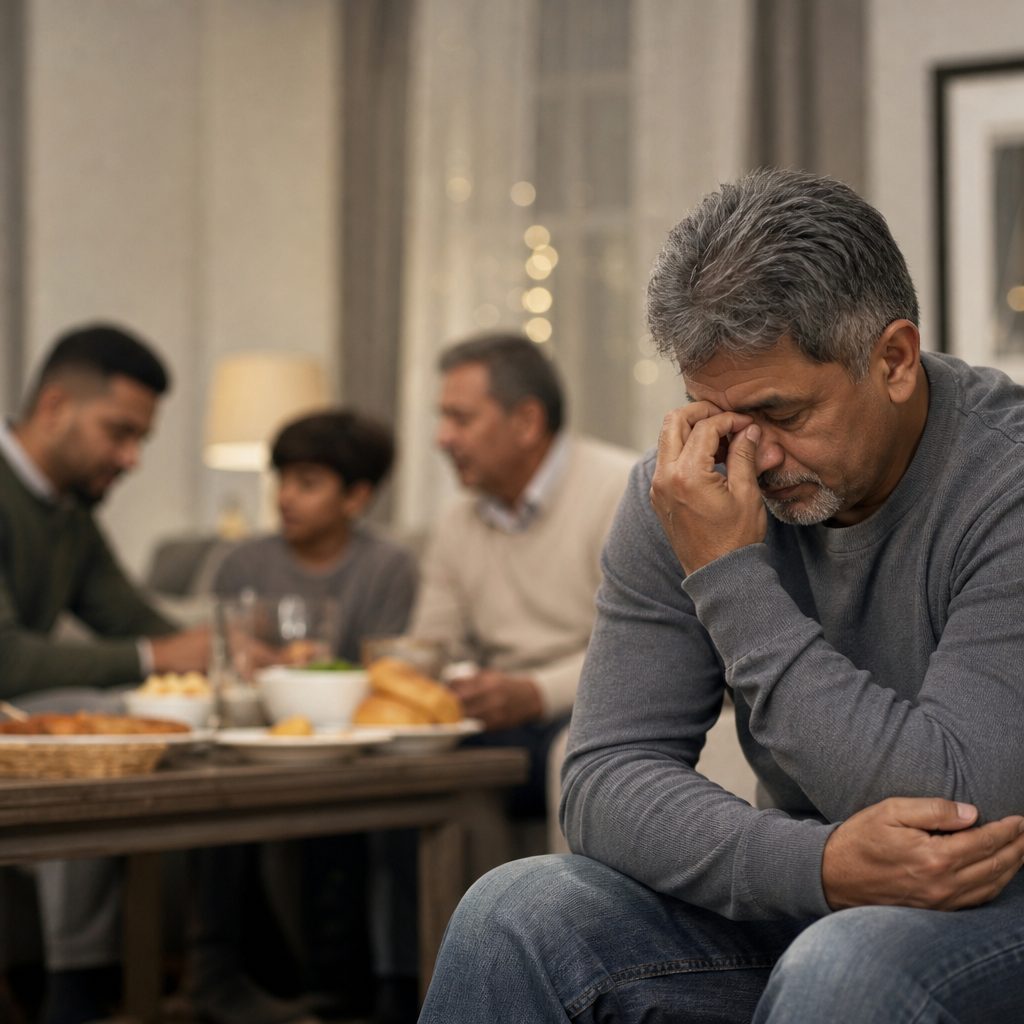
Family gatherings bring joy, but for those living with chronic pain conditions, they often bring anxiety too. The noise, bright lights, strong scents, and social expectations can transform what should be a celebration into an endurance test. Understanding how pain conditions affect participation in family events—and what accommodations actually help—matters for everyone involved.
The Hidden Impact of Chronic Migraines on Social Life
Chronic migraine affects roughly 2% of the global population, causing at least 15 headache days per month. Unlike occasional headaches, chronic migraines create unpredictable patterns that make planning difficult. Someone might feel fine when they RSVP to a baby shower or birthday party, then wake up on the day with severe pain, nausea, and light sensitivity that makes attendance impossible.
The guilt compounds the physical suffering. Canceling at the last minute strains relationships. Family members who haven’t experienced chronic pain may interpret absences as disinterest or flakiness rather than genuine medical limitation. Over time, some people with chronic migraines stop accepting invitations altogether, leading to social isolation that worsens mental health.
Common Triggers at Family Celebrations
Celebrations concentrate multiple migraine triggers in one space. Perfumes and scented candles affect those sensitive to smells. Flickering decorative lights and bright camera flashes trigger visual symptoms. Loud music, excited children, and overlapping conversations create auditory overload. Food tables often feature aged cheeses, processed meats, and alcohol—all documented dietary triggers.
Temperature fluctuations matter too. Moving between air-conditioned indoor spaces and hot outdoor areas causes vascular changes that can precipitate attacks. Stress from family dynamics, even positive excitement, alters neurochemistry in ways that increase vulnerability. Sleep disruption from late-night events or overnight travel removes a crucial protective factor.
The Baby Shower Challenge
Baby showers present a specific constellation of triggers. The expectation to appear cheerful and engaged creates pressure that intensifies stress. Games requiring focus become difficult when pain clouds concentration. The tradition of gathering for hours in one location, often without quiet spaces to retreat, leaves no escape route when symptoms escalate. Those planning celebrations like baby showers rarely think about creating quiet rooms or dimmer lighting options, yet these simple modifications make events accessible to more guests.
Treatment Options That Restore Participation
Effective migraine management changes what becomes possible. Preventive medications reduce attack frequency, making it more feasible to commit to plans. Acute treatments that work quickly allow people to salvage events they might otherwise miss entirely. Non-pharmaceutical approaches including nerve blocks, behavioral therapies, and lifestyle modifications provide additional tools.
For those with chronic migraine who haven’t found adequate relief through standard approaches, specialized treatments expand options. Medical centers with dedicated headache programs offer multimodal assessment and advanced interventions. In the UAE, comprehensive migraine care includes injection-based preventive therapies that have shown significant benefit for chronic sufferers. Facilities providing Botox for migraine Abu Dhabi and other specialized treatments combine neurological expertise with supportive care that addresses the full impact of chronic pain on daily life, not just symptom counts.
Practical Accommodations Hosts Can Offer
Small changes make gatherings more inclusive without diminishing the celebration. Designating a quiet room with dim lighting gives guests experiencing symptoms a place to rest without leaving entirely. Using unscented products and asking guests to avoid heavy fragrances reduces olfactory triggers. Offering food options that avoid common triggers—providing plain proteins, fresh vegetables, and simple carbohydrates alongside traditional party fare—ensures everyone can eat safely.
Timing matters as much as environment. Scheduling events during afternoon hours rather than evening accommodates those who need consistent sleep schedules. Keeping celebrations shorter, perhaps two to three hours instead of open-ended affairs, prevents exhaustion. Sending detailed information beforehand about lighting, noise levels, and scent policies allows guests to make informed decisions about attendance and prepare accordingly.
Communication Strategies That Preserve Relationships
Honest conversation prevents misunderstanding. People managing chronic pain should explain their condition to close family members during calm moments, not during attacks or after cancellations. Describing specific limitations—”I may need to step away to a quiet space” or “I might have to leave early if symptoms start”—sets realistic expectations without dramatic emphasis.
Hosts benefit from asking directly what would help. “What accommodations would make it easier for you to attend?” opens dialogue without putting the burden entirely on the person with chronic pain. Following up after someone declines an invitation with understanding rather than pressure maintains connection. A simple “I’m sorry you’re not feeling well, we’ll miss you” acknowledges both the medical reality and the emotional loss without guilt.
The Broader Healthcare Context
Access to specialized neurological care varies significantly by region. The United Arab Emirates has invested substantially in healthcare infrastructure over the past decade, bringing advanced treatment options closer to patients who previously traveled abroad for care. International accreditation and partnerships with established medical institutions have raised standards across multiple specialties. Recent assessments have recognized facilities achieving excellence in clinical outcomes and patient experience, with some institutions earning top rankings across various medical disciplines.
This improved access means people living in the Gulf region now have local options for conditions requiring ongoing specialist management. Rather than managing chronic pain in isolation or through trial-and-error approaches, patients can access comprehensive programs that integrate multiple treatment modalities, patient education, and coordinated follow-up care.
Moving Forward Together
Chronic pain conditions challenge both those who live with them and their families. Successful navigation requires medical treatment, environmental modification, and mutual understanding. When treatment reduces symptom burden, when hosts create flexible celebrations, and when families communicate with empathy, people with chronic migraines can participate more fully in the moments that matter.
The goal isn’t perfect attendance at every event or complete elimination of symptoms. It’s creating space where chronic illness exists alongside celebration, where limitations receive acknowledgment without defining someone’s entire identity, and where the unpredictability of pain doesn’t automatically mean social isolation. That balance requires work from everyone involved, but the result—preserved relationships and shared joy despite medical challenges—justifies the effort.