
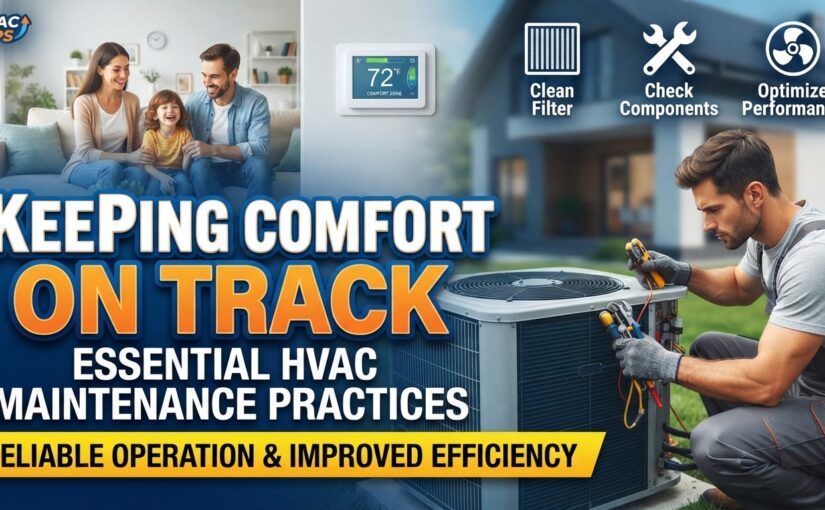
A dependable heating and cooling system is essential for maintaining comfortable indoor conditions throughout changing seasons. HVAC equipment works continuously during periods of high demand, and regular operation can gradually lead to dust accumulation, component wear, restricted airflow, electrical issues, and other performance concerns.
Without proper attention, even a high-quality system may become less efficient or experience unexpected problems. Regular hvac maintenance provides a practical way to monitor system condition, address minor concerns, and keep important components working as intended.
Preventive care can also help property owners reduce unnecessary energy use, improve temperature consistency, minimize unexpected repairs, and protect their investment in heating and cooling equipment over the long term.
Why Preventive HVAC Care Matters
An HVAC system consists of multiple components that must work together to provide reliable heating and cooling. Filters, coils, blowers, motors, thermostats, electrical controls, ductwork, drainage components, and other parts each have an important role in overall operation. When one part becomes dirty, damaged, restricted, or worn, it can affect the performance of the entire system. Routine hvac maintenance creates an opportunity to inspect these components and identify developing concerns before they become major problems. Preventive care is especially valuable because some HVAC issues develop gradually and may not become obvious until the system is under heavy seasonal demand.
Checking Air Filters Regularly
Air filters are among the easiest HVAC components to inspect, but they have a significant influence on system performance. Filters capture dust, hair, dirt, and other airborne particles before air passes through the equipment. As debris builds up, the filter can become increasingly restrictive and reduce airflow. The system may then need to operate longer to maintain the desired indoor temperature, potentially increasing energy consumption and placing additional stress on components. During hvac maintenance, filters can be checked and replaced or cleaned when appropriate. Property owners should also monitor filters between professional visits because replacement frequency depends on system usage, filter type, indoor conditions, pets, and other factors.
Inspecting Coils and Heat Transfer Components
Coils are responsible for transferring heat during the cooling and heating process in many HVAC systems. Dirt and debris can accumulate on coil surfaces and interfere with efficient heat transfer. A dirty indoor coil may contribute to restricted airflow, while a dirty outdoor coil can make it harder for the system to release heat. During hvac maintenance, technicians can inspect coil condition and determine whether cleaning is necessary. Proper cleaning techniques are important because delicate fins and surfaces can be damaged by inappropriate tools or excessive pressure. Keeping coils reasonably clean allows the system to transfer heat more effectively and can reduce unnecessary operating strain.
Maintaining Proper Airflow
Airflow is a major factor in HVAC efficiency and indoor comfort. Restricted airflow may result from dirty filters, blocked vents, damaged ductwork, blower problems, or other system restrictions. When airflow is inadequate, some rooms may feel warmer or cooler than others even though the HVAC system continues operating. During hvac maintenance, airflow can be evaluated and potential restrictions can be investigated. Property owners can also support good airflow by keeping supply registers and return-air openings clear of furniture, curtains, storage containers, and other obstructions. Consistent airflow helps conditioned air reach occupied areas more effectively and supports balanced system operation.
Inspecting Electrical Connections
HVAC equipment relies on electrical components to power motors, compressors, fans, controls, sensors, and other essential parts. Electrical connections can loosen over time, while components may experience wear from repeated operation. Signs of electrical problems can include intermittent operation, unusual sounds, unexpected shutdowns, or failure to start. As part of hvac maintenance, qualified technicians can inspect appropriate electrical components and look for signs of overheating, deterioration, loose connections, or abnormal performance. Because HVAC equipment can involve high-voltage circuits, electrical inspections and repairs should be performed by trained professionals. Identifying electrical problems early can help prevent more serious equipment failures.
Evaluating Thermostat Performance
The thermostat acts as the control center for many heating and cooling systems. It tells the equipment when to operate based on the selected temperature and programmed settings. If a thermostat is inaccurate or improperly positioned, the system may cycle too frequently or operate longer than necessary. Direct sunlight, drafts, nearby appliances, and other heat sources can influence temperature readings. During hvac maintenance, technicians can verify thermostat operation and confirm that the equipment responds appropriately to temperature changes. Programmable and smart thermostats should also be checked to ensure schedules are configured correctly. Accurate temperature control can support both comfort and efficient equipment operation.
Examining Ductwork
Ductwork distributes conditioned air throughout buildings that use forced-air HVAC systems. Leaks, loose connections, damaged insulation, crushed sections, and other problems can reduce the amount of conditioned air reaching occupied rooms. Duct problems may also contribute to uneven temperatures and unnecessary system operation. During hvac maintenance, accessible ductwork can be visually inspected for signs of damage or disconnected sections. If persistent airflow or comfort problems exist, a more detailed professional evaluation may be appropriate. Properly maintained ductwork allows the HVAC system to distribute heated and cooled air more efficiently and can reduce energy losses caused by air escaping through damaged or poorly sealed sections.
Cleaning Condensate Drainage Systems
Air conditioning systems remove moisture from indoor air during normal cooling operation. This moisture collects as condensation and must drain away safely through a designated drainage system. Over time, algae, dirt, and debris can accumulate inside condensate lines and create restrictions. A blocked drain can cause water to back up, resulting in leaks, unpleasant odors, property damage, or system shutdowns. During hvac maintenance, technicians can inspect drainage components and confirm that condensate is being removed properly. Property owners should also watch for unexplained water around indoor HVAC equipment because visible moisture may indicate a drainage or equipment problem that needs professional attention.
Checking Blower Motors and Moving Components
Blower motors, fans, bearings, and other moving components experience repeated mechanical stress whenever an HVAC system operates. Dirt buildup, worn parts, electrical problems, or mechanical damage can affect their performance. Unusual sounds such as rattling, squealing, grinding, or excessive vibration may indicate that something requires attention. During hvac maintenance, technicians can inspect moving components and determine whether cleaning, adjustment, lubrication where applicable, or replacement is necessary. Maintenance procedures should always follow manufacturer recommendations because not every modern motor or bearing requires routine lubrication. Addressing mechanical concerns early can reduce the risk of additional damage and help preserve reliable airflow.
Improving Energy Efficiency
Energy efficiency is a major benefit of keeping HVAC equipment properly maintained. Systems with dirty filters, restricted airflow, contaminated coils, worn components, or malfunctioning controls may need to operate for longer periods to achieve the desired temperature. Longer operating cycles can increase energy consumption and place additional stress on equipment. Regular hvac maintenance helps identify conditions that may be reducing efficiency and provides an opportunity to correct them. Maintenance alone cannot eliminate energy use, but it can help equipment operate closer to its intended performance. Property owners can further improve efficiency through appropriate thermostat settings, good insulation, clear airflow pathways, and timely filter replacement.
Reducing Unexpected Equipment Failures
Unexpected HVAC breakdowns can be inconvenient and costly, particularly when they occur during periods of extreme temperatures. Although preventive care cannot guarantee that a system will never fail, regular inspections can identify worn or malfunctioning components before they cause complete equipment failure. During hvac maintenance, technicians can look for developing electrical, mechanical, airflow, drainage, and control-related problems. Addressing these issues while the system is still operational may be easier and less disruptive than waiting for an emergency breakdown. Preventive service also gives property owners more time to plan repairs and make informed decisions about equipment replacement when necessary.
Preparing for Seasonal Changes
HVAC systems often experience increased workloads during periods of extreme heat or cold. Preparing equipment before these demanding periods can help identify problems while there is still time to address them. Before cooling season, technicians may inspect filters, coils, electrical components, condensate drainage, airflow, and system controls. Before the heating season, attention may be given to filters, burners, ignition systems, heat exchangers, safety controls, and other heating components. Seasonal hvac maintenance helps prepare equipment for periods when reliable operation is especially important. It also gives property owners an opportunity to address small concerns before they become more difficult to manage under heavy operating conditions.
Supporting Consistent Indoor Comfort
Comfort is influenced by more than the temperature displayed on a thermostat. Uneven airflow, dirty equipment, poor ductwork, humidity problems, thermostat inaccuracies, and inefficient cycling can all affect how a building feels. An HVAC system that has not been properly maintained may struggle to maintain consistent temperatures throughout different rooms. Regular hvac maintenance provides an opportunity to evaluate system performance and investigate causes of uneven comfort. Cleaning appropriate components, correcting airflow restrictions, maintaining controls, and repairing developing problems can help equipment distribute conditioned air more consistently. Consistent maintenance can therefore contribute to a more stable and comfortable indoor environment.
Extending Equipment Service Life
HVAC systems represent a significant investment, so protecting their useful service life is an important consideration for property owners. Normal aging is unavoidable, but unnecessary stress caused by poor maintenance can accelerate component wear. Clean filters, suitable airflow, clean coils, reliable electrical connections, and timely repairs can all help reduce avoidable strain. Routine hvac maintenance allows technicians to identify components that are becoming worn and determine whether corrective action is appropriate. While preventive care cannot guarantee a specific equipment lifespan, it can help preserve performance and reduce problems associated with neglect. Proper maintenance is therefore an important part of protecting the value of an HVAC investment.
Watching for Warning Signs
Property owners should pay attention to changes in normal HVAC behavior. Unusual sounds, strange odors, weak airflow, frequent cycling, inconsistent temperatures, water around equipment, or unexplained increases in energy consumption may indicate that the system needs attention. Some warning signs may have simple causes, while others can indicate more significant mechanical or electrical problems. During hvac maintenance, technicians can investigate unusual symptoms and determine whether repairs or adjustments are necessary. Reporting problems promptly is generally better than repeatedly resetting the equipment or ignoring changes in performance. Early attention can sometimes prevent a minor issue from developing into a more complicated and expensive failure.
Supporting Better Indoor Air Conditions
HVAC systems influence indoor air circulation, filtration, temperature, and humidity. Dirty filters, restricted airflow, and poorly maintained components can affect how effectively conditioned air moves throughout the building. Maintaining filters and keeping airflow pathways clear can help the system circulate air more efficiently. During hvac maintenance, technicians can inspect filters, coils, drainage components, airflow, and other equipment features that influence air movement. Property owners should also combine HVAC care with regular cleaning and appropriate moisture control. A well-maintained HVAC system is one important part of creating a comfortable indoor environment with dependable air circulation.
Planning Repairs Before They Become Emergencies
One advantage of preventive maintenance is the opportunity to identify equipment problems before they require urgent attention. A technician may notice a worn electrical component, unusual motor behavior, restricted airflow, or a developing drainage issue during a routine inspection. Property owners can then decide whether the component should be repaired immediately or monitored based on professional recommendations. Maintenance records can also reveal recurring issues and help determine whether an aging system is becoming increasingly expensive to maintain. Regular hvac maintenance therefore supports better planning and allows property owners to make repair or replacement decisions based on equipment condition rather than an unexpected breakdown.
Choosing Qualified HVAC Professionals
Some basic HVAC care can be performed by property owners, including checking filters, keeping vents unobstructed, and monitoring unusual changes in system performance. More technical work should be handled by qualified professionals because HVAC equipment can contain electrical components, refrigerant systems, combustion equipment, and moving machinery. Professional service provides access to appropriate tools, diagnostic methods, and equipment-specific knowledge. A qualified technician can also follow manufacturer recommendations and identify problems that may not be visible during a basic inspection. Professional maintenance is especially important when the system has unusual symptoms, safety concerns, refrigerant issues, or complex mechanical problems.
Creating a Practical Maintenance Schedule
A consistent maintenance schedule helps ensure that important HVAC care is not overlooked. The appropriate service frequency can vary depending on equipment type, age, usage, operating conditions, manufacturer recommendations, and other factors. Property owners can keep records of inspections, filter changes, repairs, component replacements, and other service activities. These records can provide useful information during future hvac maintenance visits and help technicians understand the system’s history. Regular scheduling also allows equipment to be inspected before periods of heavy seasonal demand. Combining professional service with simple routine checks creates a practical approach to keeping HVAC equipment dependable throughout the year.
Final Thoughts
Reliable HVAC performance depends on consistent attention to the components and operating conditions that influence heating and cooling equipment. Filters, coils, airflow, ductwork, thermostats, electrical connections, drainage systems, motors, and controls all contribute to overall system performance. Regular hvac maintenance provides an opportunity to identify developing problems, improve operating conditions, reduce unnecessary strain, and support consistent indoor comfort. Preventive care can also help property owners manage energy use, plan repairs, extend equipment service life, and reduce the likelihood of unexpected breakdowns. By combining professional inspections with routine filter care, unobstructed airflow, sensible thermostat settings, and prompt attention to warning signs, property owners can keep comfort on track while supporting efficient and dependable HVAC operation.