
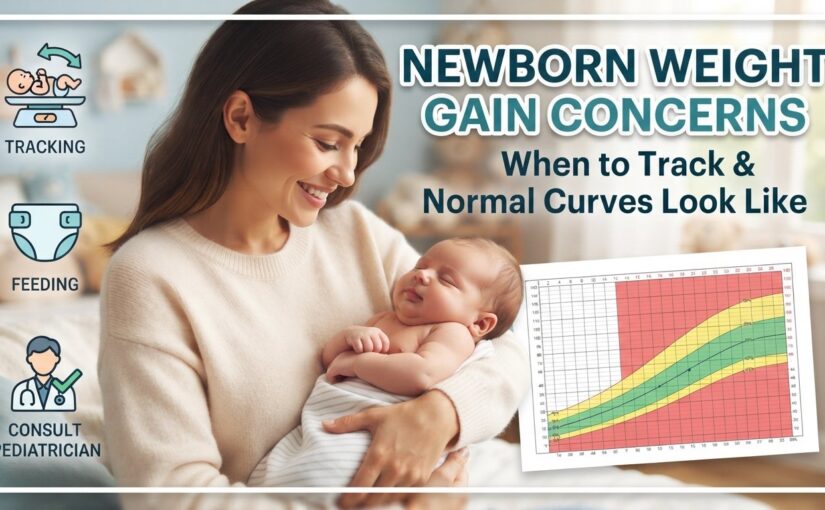
Bringing a newborn home from the hospital is a momentous occasion, often accompanied by an overwhelming sense of responsibility. Among the most common sources of early anxiety for new parents is whether their baby is eating enough and gaining adequate weight.
During those hazy, sleep-deprived first weeks, constantly analyzing every feeding session can easily take a toll on parental mental health.
Today, many parents find reassurance by turning to curated digital resources, such as Genesis Parent Portal, to find structured early-stage newborn guides, feeding logs, and developmental insights.
Having a centralized source of reliable information helps to temper the anxiety, but understanding exactly what normal weight gain looks like during the fourth trimester remains crucial.
The Initial Drop: Why Newborns Lose Weight After Birth
One of the most surprising facts for first-time parents is that nearly all babies lose weight immediately after birth. This initial drop is entirely normal and is a natural physiological process. Newborns are born with extra fluid in their tissues, which they shed during the first few days of life.
According to experts at the Mayo Clinic, it is typical for healthy newborns to lose between 5% and 10% of their birth weight within the first three to five days. Breastfed babies may lean closer to the 7% to 10% mark as the mother’s milk supply transitions from colostrum to mature milk, while formula-fed babies typically lose slightly less, around 5%. Pediatricians carefully monitor this early weight loss before discharge and during the first pediatric visit, ensuring the drop stays within safe clinical parameters.
Rebounding and the First Month: What to Expect
Once the initial weight loss plateaus, babies begin the hard work of gaining it back. By the time an infant is 10 to 14 days old, they should generally return to their original birth weight. This marks the beginning of the most rapid growth phase of a human’s life.
During the first month, a healthy newborn typically gains about half an ounce to a full ounce (14 to 28 grams) per day. This equates to roughly 1.5 to 2 pounds over the course of their first four weeks. Parents will often notice this rapid growth not just on the scale, but in how quickly newborn-sized clothing becomes snug and how their baby begins to “fill out,” developing those classic adorable rolls.
Understanding Normal Curves vs. Averages
As parents begin comparing their baby’s growth to charts, it is easy to fall into the trap of aiming for the “average.” However, in pediatric medicine, average simply represents the statistical middle—not the optimal goal for every individual baby.
Growth curves are designed to accommodate a wide spectrum of normal. A baby sitting in the 15th percentile for weight is just as healthy as a baby in the 85th percentile, provided they are tracking consistently along their own curve. Pediatricians do not want a small baby to suddenly jump to the 90th percentile; they want that baby to grow steadily and proportionally. Whether your baby is breastfed or formula-fed can also influence the shape of their specific growth curve, with breastfed infants often gaining weight more rapidly in the first three months before naturally tapering off.
When and How to Track at Home
While regular well-child visits at two weeks, one month, and two months provide the clinical data needed to ensure a baby is thriving, some parents prefer to keep an eye on interim trends, particularly if there have been feeding challenges or concerns about milk supply.
If you choose to track your baby’s weight at home, consistency is key. Always use a flat, dedicated infant scale rather than a standard adult bathroom scale, as newborn measurements require precision down to the ounce. To put these numbers into context without obsessing over daily fluctuations, parents can periodically input their baby’s weight and length into a baby BMI calculator. This specialized tool accounts for an infant’s unique weight-for-length proportions, helping you understand where they currently sit on the WHO growth charts without having to wait for the next doctor’s appointment.
Trusting the Process
It is incredibly common to worry about newborn weight gain, but scale measurements are only one part of the puzzle. Pediatricians also look for active signs of wellness: a baby who is alert when awake, satisfied after feedings, and producing plenty of wet and soiled diapers every day is generally a baby who is well-hydrated and growing appropriately. By understanding the normal fluctuations of newborn weight and utilizing reliable home tracking tools judiciously, parents can navigate the newborn stage with greater confidence and peace of mind.